
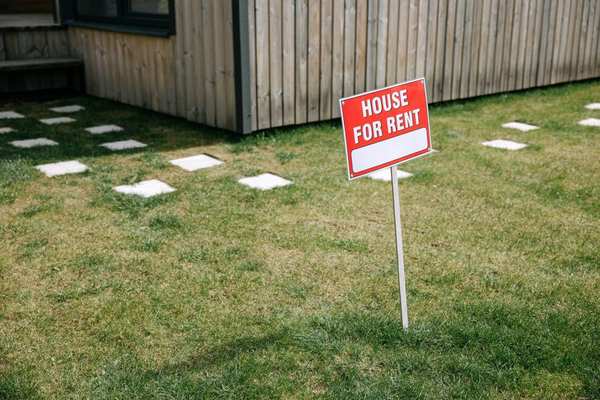
Rental disputes can escalate quickly. A missed payment, lease violation, or disagreement over repairs may begin with a tense conversation and end with court papers. Understanding the landlord tenant rights eviction process helps both sides separate legal procedure from pressure. Although rules vary by state and city, a lawful eviction generally requires notice, a chance to respond, a court case, and official enforcement rather than self-help.
Why Eviction Is a Legal Process
Eviction is the legal method a landlord uses to regain possession of a rental property when a tenant does not leave voluntarily. It is not complete when a landlord sends a warning letter. In most jurisdictions, the landlord must follow a sequence established by state law, local ordinances, the lease, and court rules.
A landlord generally cannot remove a tenant by changing the locks, shutting off utilities, taking belongings, or using threats. These actions are often called “self-help” eviction and may expose the landlord to penalties. The tenant, meanwhile, should not assume that ignoring notices or court papers will stop the case. Deadlines in eviction proceedings are often short.
Common Legal Grounds for Eviction
Nonpayment of rent is a common reason for eviction, but it is not the only one. A landlord may also seek possession because of a serious or repeated lease violation, major property damage, illegal activity, an unauthorized occupant, or a tenant remaining after the lease ends.
The landlord must usually identify a legally recognized ground and support it with evidence. Retaliation for reporting unsafe conditions or discrimination based on a protected characteristic is not a lawful substitute for a valid reason. Some locations also have “just cause” rules that further limit when certain tenancies may be terminated.
Eviction Notice Requirements
The first formal step is often written notice. Eviction notice requirements differ depending on the jurisdiction, reason for termination, type of tenancy, and whether the property receives federal housing assistance. A notice may demand overdue rent, require the tenant to correct a lease violation, or direct the tenant to leave by a stated date.
A sufficient notice generally needs to describe the problem, state what the tenant must do, provide the applicable deadline, and be served in an approved manner. Some violations can be cured, meaning the tenant may preserve the tenancy by paying the amount due or correcting the conduct within the notice period. Other grounds may permit termination without an opportunity to cure.
There is no single nationwide notice period for ordinary private rentals. The required time can range from a few days to a month or longer, depending on local law and the circumstances. Both parties should check current state and local rules rather than relying on a generic online form.
From Notice to an Unlawful Detainer Case
If the tenant does not comply with a valid notice, the landlord may file an eviction lawsuit. In many states, this case is called an unlawful detainer, although courts use other names. The central question is usually whether the landlord has the present right to possess the property.
After filing, the landlord must have the summons and complaint served according to court rules. The tenant then has a limited period to file an answer or other response. Failing to respond can lead to a default judgment, allowing the landlord to win without a contested hearing.
The Court Hearing
At the hearing, the landlord may need to prove the lease, legal reason for eviction, proper notice and service, and the tenant’s failure to pay, cure, or leave. The tenant can challenge the evidence, raise defenses, and present records of payments, repairs, communications, or discriminatory conduct.
If the landlord wins, the court may issue a judgment for possession and, where permitted, unpaid rent or costs. The landlord still should not remove the tenant personally. A sheriff, marshal, constable, or other authorized officer typically carries out the final possession order.
Tenant Defenses That May Affect the Case
Tenant defenses depend on the facts and local law. A tenant may argue that the notice was defective, the amount demanded was wrong, rent was paid, the landlord accepted payment after termination, or the lawsuit was filed too early. Improper service of the notice or court papers may also matter.
Other possible defenses include retaliation, housing discrimination, failure to maintain legally required conditions, or breach of the warranty of habitability. In some jurisdictions, a tenant who reported serious health or safety problems may have repair remedies, rent-withholding rights, or other relief. These protections are technical, so documentation and prompt legal advice can be critical.
Federal protections may also apply, including fair housing rules and certain rights for domestic violence survivors, servicemembers, or residents of federally assisted housing. They can affect the required procedure or available remedies.
Landlord Obligations During a Dispute
Landlord obligations continue while an eviction dispute is pending. The landlord should maintain essential services, make legally required repairs, respect privacy and entry rules, keep accurate payment records, and avoid harassment.
For landlords, careful compliance is more than paperwork. A wrong deadline, incomplete notice, incorrect amount, or improper service method can delay or defeat a case. For tenants, copies of the lease, receipts, bank records, photographs, repair requests, notices, emails, and text messages can turn an unsupported claim into a documented defense.
Practical Steps for Resolving the Dispute
Before litigation, the parties may agree on a repayment plan, move-out date, lease correction, or mediation. Any agreement should clearly address rent, fees, possession, deposits, and any existing court case.
Once court papers arrive, the tenant should read them immediately, confirm the response deadline with the court clerk, and seek local legal help. Landlords should verify every required step before requesting judgment. State housing agencies, legal-aid organizations, bar associations, and housing counselors can help identify location-specific rules and resources.
Frequently Asked Questions
Can a landlord evict a tenant without going to court?
Generally, a landlord must use the judicial eviction process and obtain the required possession order. Lockouts, utility shutoffs, removal of belongings, or physical intimidation may be unlawful. Exact remedies and exceptions depend on local law.
Does an eviction notice mean the tenant must leave immediately?
Not necessarily. A notice usually begins the process and may provide time to pay, correct a violation, challenge the notice, or move. The deadline and available options depend on the notice type and jurisdiction.
What happens if a tenant ignores an eviction lawsuit?
The court may enter a default judgment for the landlord. Because response periods can be brief, tenants should contact the court and obtain legal advice as soon as they are served.
Can poor property conditions be a defense to eviction?
They may be relevant when the landlord knew about serious conditions and failed to meet legal repair duties. However, habitability defenses and rent-withholding rules vary widely and usually require specific notices, evidence, and procedures.
Conclusion
A lawful eviction is a structured legal proceeding, not an instant removal. Notice, service, court review, tenant defenses, and official enforcement each play a distinct role. Because landlord-tenant law changes by jurisdiction, both parties should verify local requirements and act quickly. Clear records, respectful communication, and qualified legal guidance can protect rights, reduce costly mistakes, and sometimes resolve the conflict before displacement becomes unavoidable.