
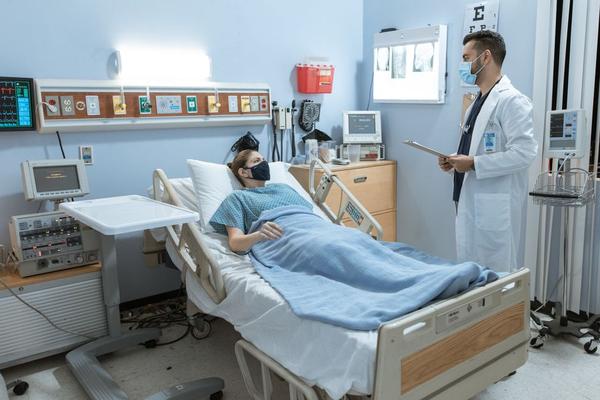
A patient develops a serious infection after surgery, needs another operation, and spends weeks recovering. Was the hospital responsible? Hospital-acquired infection malpractice is not established simply because an infection appeared during a hospital stay. The legal question is whether a provider failed to meet an applicable standard of care and whether that failure caused avoidable harm.
Even careful treatment carries infection risks, especially when surgery, weakened immunity, or invasive devices are involved. A potential hospital infection lawsuit requires a closer look at what happened before symptoms appeared, how staff responded, and what the records reveal.
When Does a Hospital-Acquired Infection Become Malpractice?
A healthcare associated infection, often called an HAI, develops while or soon after a patient receives medical care. Examples include surgical site infections, catheter-associated urinary tract infections, and bloodstream infections associated with central lines. The timing may raise questions, but it does not prove negligence.
In a typical U.S. medical malpractice claim, the patient must establish a duty of care, a breach of the applicable professional standard, causation, and compensable damages. The standard concerns what reasonably competent healthcare professionals or facilities should have done under the circumstances, not whether they guaranteed an infection-free outcome.
An infection can be severe without being legally attributable to misconduct. Conversely, an apparently routine infection may warrant investigation when precautions were skipped or warning signs were ignored. The medical malpractice standard of care helps explain this distinction.
Infection-Control Failures That May Matter
Hand hygiene and contaminated equipment
The Centers for Disease Control and Prevention recommends hand hygiene at key points of patient care, including before aseptic procedures, and proper cleaning or reprocessing of reusable equipment. Evidence that staff repeatedly skipped required steps could support an allegation of infection control negligence. Investigators must still connect the lapse to the patient’s infection rather than assume a connection.
Catheters, central lines, and wound care
Devices that enter the body create routes through which germs may cause infection. Relevant questions include whether a urinary catheter was necessary, whether sterile technique was used during insertion, whether a central line was maintained appropriately, and whether an unnecessary device remained in place. Surgical wound care also matters.
For example, the CDC recommends using urinary catheters only when needed and removing them as soon as clinically appropriate. A failure to reassess an unnecessary catheter may be important evidence, but an expert must evaluate whether it contributed to the injury.
Isolation measures and delayed treatment
Facilities may face questions about cleaning shared spaces, following transmission-based precautions, investigating outbreaks, or responding to signs of infection. Delayed recognition can be a separate concern: even if the original infection was not preventable, an unreasonable delay in assessment or treatment might worsen the outcome.
Proving Causation Is Often the Hardest Part
Infection records can show that a complication occurred, but a claim generally needs more. The patient must connect a specific breach to the infection or to additional harm from delayed treatment. This is the causation question, and it often requires testimony from qualified medical experts.
Reviewers may examine the patient’s condition on admission, the organism identified, the timing of invasive procedures, laboratory results, antibiotic treatment, and other plausible sources. A positive culture after surgery does not automatically show where contamination began. Similarly, a missed hand-hygiene step does not automatically establish that it caused the illness.
Experts may consider whether prompt treatment would probably have changed the outcome under the governing legal standard. If the patient already had an infection before admission, the question might be whether the hospital negligently allowed it to worsen, not whether the hospital caused it initially.
A Practical Example: A Catheter and a Missed Warning
Imagine a patient recovering from an operation who receives a urinary catheter for a valid initial reason. Several days later, the chart contains no clear reassessment of its necessity. The patient develops a fever, but evaluation is delayed. A subsequent diagnosis reveals a catheter-associated urinary tract infection requiring additional treatment.
This raises questions, not an automatic verdict. Was the catheter still clinically necessary? Did staff follow insertion and maintenance protocols? Were symptoms assessed within a reasonable time? Did a delay materially increase the severity of the illness? The investigation must connect each alleged lapse to medical evidence of harm.
A practical step is to build a dated timeline from admission through discharge and later treatment. Include device insertion and removal dates, symptom onset, cultures, medications, and return visits. A precise timeline can reveal gaps that a broad complaint about an unsafe hospital cannot.
Records and Evidence Worth Preserving
Patients considering a hospital infection lawsuit can request medical records and retain discharge instructions, bills, and communications. Useful materials may include operative notes, nursing observations, device documentation, laboratory reports, medication records, and follow-up treatment notes.
Write down firsthand observations promptly, distinguishing what was seen from what was assumed. If someone recalls missed precautions, record the date, location, and circumstances without guessing about infection sources. Facility infection-control logs or internal policies may become relevant through legal procedures, but patients might not have direct access to them.
What Damages May Be Recoverable?
Potential damages may include additional medical expenses, lost earnings, rehabilitation costs, and pain or disability resulting from negligent care. Cases involving lasting complications or death may involve other damages under applicable state law. Compensation concerns provable losses attributable to wrongful conduct, not merely the infection diagnosis.
Rules governing deadlines, experts, pre-suit notices, certificates of merit, and damages vary by state. Anyone considering a claim should contact a qualified local malpractice attorney promptly. Hospital liability for staff errors can also depend on who provided treatment and the legal relationship involved.
Frequently Asked Questions
Can you sue a hospital for getting an infection?
Potentially, yes. But a lawsuit generally requires evidence that negligent care caused the infection or made its consequences worse. An infection diagnosis alone is insufficient.
Is every hospital-acquired infection preventable?
No. Infection-control practices reduce risks, but some infections occur despite appropriate precautions. Preventability and negligence must be assessed against the patient’s circumstances and accepted care standards.
What if the infection was discovered after discharge?
An infection diagnosed later may still be associated with hospital care. Symptom timing, cultures, records, and expert analysis help assess the connection. A later diagnosis does not prove hospital fault.
Do I need an expert witness for an infection malpractice case?
Expert evidence is often central to establishing the standard of care and causation. Some states also require an expert affidavit or certificate of merit early in the case; rules differ by jurisdiction.
Final Thoughts
A hospital-acquired infection deserves attention, but a fair legal assessment asks which precautions were required, what care was actually provided, and whether an identifiable failure caused additional injury. A review of the timeline, records, and expert opinions can distinguish an unfortunate complication from a potentially actionable breach of care.