
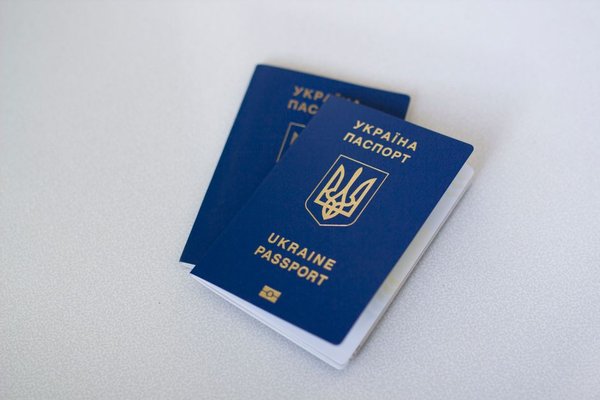
Many permanent residents hesitate to naturalize because they fear U.S. citizenship will automatically cancel the citizenship they already have. Usually, U.S. law does not require that result. The United States allows dual nationality, so a person can naturalize as a U.S. citizen and still remain a citizen of another country when that country’s law also permits it.
The key is that dual citizenship is governed by two legal systems at once. The United States may allow you to keep your original nationality, while your home country may restrict, condition, or end it. Before filing for naturalization, the practical question is not only “Does the U.S. allow dual citizenship?” but “What happens under the law of both countries?”
Does the United States Allow Dual Citizenship?
Yes. The U.S. Department of State recognizes that a person may be a national of the United States and another country at the same time. U.S. law does not generally require citizens to choose one nationality over another, and a person may naturalize as a U.S. citizen while retaining another nationality if the other country allows it.
The United States cannot guarantee that your original country will continue to recognize you as a citizen after U.S. naturalization.
Does the Naturalization Oath Mean You Must Give Up Your Original Citizenship?
The Oath of Allegiance includes language about renouncing allegiance to foreign states and pledging allegiance to the United States. That wording can make applicants assume they must complete a separate citizenship renunciation process with their original country before becoming American.
Under U.S. naturalization rules, taking the oath does not by itself require an applicant to prove that another country has formally cancelled their citizenship. The distinction is between the allegiance promised to the United States and the separate nationality rules maintained by the country of origin.
If your original country permits dual citizenship, you may remain a citizen there after taking the U.S. oath. If it prohibits or limits dual nationality, its own law may require advance permission, a retention application, formal renunciation, or another procedure.
Check Your Original Country’s Rules Before Filing
There is no worldwide rule because citizenship laws vary and can change. They may also apply differently depending on how you acquired nationality, where you live, your age, or other circumstances. Check the current law through the embassy, consulate, or citizenship authority of your other country before naturalizing.
Consider a green card holder who owns property and expects to inherit assets in their birth country. If that country restricts dual citizenship, losing the original nationality could affect property rights, inheritance treatment, voting rights, residency rights, or the ability to work there without immigration permission. Confirming the rule before filing can prevent an unpleasant surprise after the oath ceremony.
Questions worth asking the foreign consulate
Ask whether acquiring U.S. citizenship causes automatic loss of your current citizenship, whether you need permission to keep it, whether any retention filing must happen before naturalization, and whether dual citizens have special military, tax, property, or travel obligations.
What Changes Once You Become a Dual U.S. Citizen?
Travel rules change
U.S. citizens, including dual citizens, must use a U.S. passport to enter and leave the United States. Your other country may also require you to use its passport when entering or leaving its territory. Many dual nationals therefore travel with both passports.
You may have obligations in both countries
Dual citizenship can bring two sets of legal responsibilities. Depending on the other country, these may include military service, registration requirements, taxes, or other duties. When you are in your other country of nationality, local authorities may treat you only as their citizen, which can sometimes limit U.S. consular assistance.
U.S. tax rules still apply
U.S. citizens are generally subject to U.S. tax filing rules based on worldwide income, even while living abroad. Many naturalization applicants are already U.S. tax residents as green card holders, so naturalization may not create worldwide-income reporting for the first time. Still, citizenship makes U.S. tax obligations an important long-term consideration if you later move overseas.
Foreign financial accounts can also trigger reporting duties. An FBAR is generally required when a U.S. person has qualifying foreign financial accounts whose combined value exceeds $10,000 at any time during the calendar year. Tax treaties, foreign tax credits, and other rules may reduce double taxation, but filing obligations can still remain.
Will Another Citizenship Later Cancel Your U.S. Citizenship?
Generally, simply acquiring another nationality does not automatically cancel U.S. citizenship. U.S. law does not normally require a citizen to get permission before acquiring foreign citizenship. Losing U.S. nationality is a separate legal matter and generally involves a voluntary expatriating act performed with the intention of relinquishing U.S. nationality.
That is different from holding dual nationality, living overseas, or using a foreign passport where appropriate. Anyone actually considering citizenship renunciation should obtain specific legal and tax advice because the process is formal and can have major consequences.
A Practical Pre-Naturalization Checklist
Before filing Form N-400, confirm your current country’s dual-citizenship rules from an official source, check whether you need permission to retain citizenship before taking the U.S. oath, review any property or inheritance consequences, understand military or registration duties, and consider cross-border tax reporting if you keep financial ties abroad.
For related guidance, see our U.S. naturalization process guide, citizenship test requirements, and applying for a U.S. passport after naturalization.
Frequently Asked Questions
Can I keep my original passport after becoming a U.S. citizen?
Possibly. The United States allows dual nationality, but whether your original passport remains valid depends on the law of the country that issued it. If that country continues to recognize you as a citizen, you may be able to keep and renew the passport.
Do I have to tell USCIS that I want to keep my other citizenship?
There is no general U.S. naturalization requirement to obtain permission from USCIS to retain another citizenship. Any retention or permission requirement is normally determined by the other country’s law.
Can a dual citizen have two passports?
Yes, when both countries recognize the person as a citizen and issue passports to them. A dual U.S. citizen must use a U.S. passport to enter and leave the United States, while the other country may require use of its own passport there.
Does dual citizenship mean I pay tax twice?
Not automatically. U.S. citizens generally report worldwide income, but tax treaties, foreign tax credits, and other provisions may reduce or prevent double taxation. Filing and foreign-account reporting requirements can still apply even when little or no additional U.S. tax is owed.
What to Decide Before You Naturalize
For most applicants, the U.S. side of the answer is reassuring: naturalization does not automatically require you to surrender another nationality. The decisive issue is often the law of your original country and the practical consequences of keeping or losing that citizenship. Verify those rules before the oath, especially if you have property, family, financial accounts, military obligations, or plans to live there again. With those details clear, you can approach U.S. citizenship as an informed decision rather than a guess about what dual citizenship might mean.